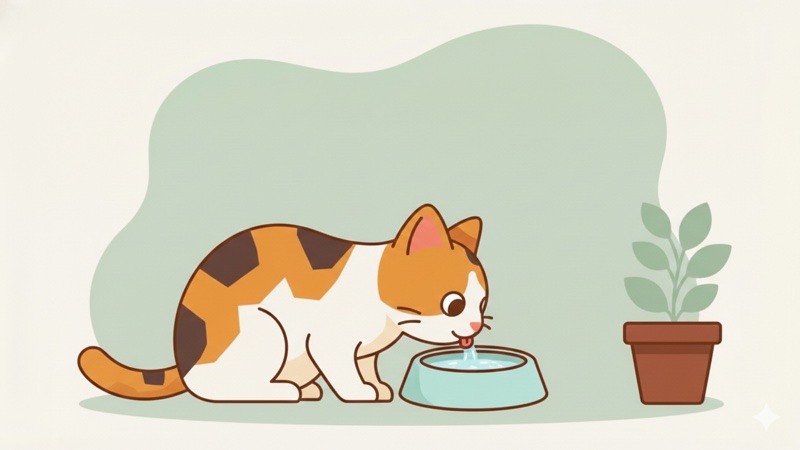
Ever notice your cat barely touches the water bowl? That’s actually normal. Cats descended from the African wildcat, a desert species that evolved to get most of its moisture from prey. But in a domestic setting, inadequate water intake is a major risk factor for chronic kidney disease and urinary tract problems. The good news: with the right strategies, most cats’ water intake can be significantly improved.
How Much Water Does Your Cat Need?
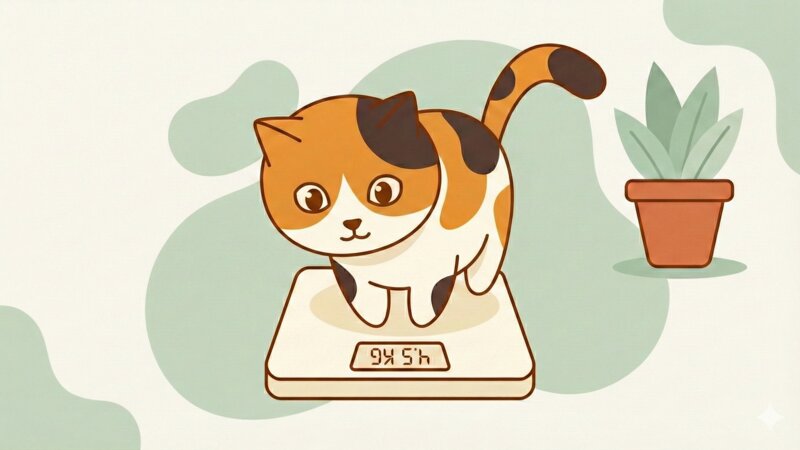
Veterinarians recommend 40-60 ml of water per kilogram of body weight per day (including moisture from food). A simple formula: body weight (kg) × 50 ml.
| Body Weight | Daily Water Recommendation |
|---|---|
| 3 kg (6.6 lb) | 150-180 ml |
| 4 kg (8.8 lb) | 200-240 ml |
| 5 kg (11 lb) | 250-300 ml |
| 6 kg (13.2 lb) | 300-360 ml |
Keep in mind this total includes moisture from food. Cats on a wet food diet get a large portion of their water from meals, while cats eating exclusively dry food need to drink significantly more from their bowl.
Want to know how much your cat actually drinks? Use a measuring cup to pour water into the bowl and note the amount. After 24 hours, pour the remaining water back and subtract. Measure for 2-3 consecutive days and average the results for better accuracy. In multi-cat households, you’ll need to observe each cat individually.
How to Tell if Your Cat Is Dehydrated
You don’t need exact measurements. These quick checks can help assess your cat’s hydration status:
The Skin Tent Test
Gently pinch the skin between your cat’s shoulder blades, lift it, and release:
- Snaps back immediately (< 0.5 seconds): Normal hydration
- Returns slowly (1-2 seconds): Possible mild dehydration
- Skin stays tented: Severe dehydration. Seek immediate veterinary care
Note: Older cats or cats that have recently lost weight may have reduced skin elasticity regardless of hydration. Use this test as one indicator, not a definitive diagnosis.
Gum Check
- Healthy gums should be moist and pink
- Press your finger against the gum and release; color should return within 2 seconds
- Dry, tacky, or pale gums may indicate dehydration
Other Warning Signs
- Lethargy, sleeping more than usual
- Sunken or dull eyes
- Decreased urination or dark-colored urine
- Constipation
8 Proven Ways to Get Your Cat to Drink More
1. Increase Wet Food in Their Diet
This is the single most effective strategy. Wet food contains 70-80% moisture, while dry food has only 6-10%. For a 4 kg cat eating 200 g of wet food daily, roughly 150 ml of water comes from food alone.
- You don’t have to go fully wet. A mixed feeding approach works well (wet food morning and evening, dry food for free-feeding during the day)
- Try adding extra water to wet food, creating a soupy consistency. Many cats accept this readily
- Transition diets gradually over 7-10 days to avoid digestive upset
2. Try a Water Fountain
Cats are instinctively drawn to moving water because in the wild, flowing water is typically fresher and safer than stagnant pools. A fountain provides continuous filtration and circulation.
- Your cat may be cautious at first, so keep the old water bowl available and give them days to weeks to adjust
- Clean the fountain regularly and replace filters as recommended
- Place it in a quiet spot where your cat spends time
3. Set Up Multiple Water Stations
Make water easy to find throughout the house. For multi-cat households, follow the n+1 rule (one bowl per cat, plus one extra).
- Place bowls in areas where your cat hangs out most
- In multi-story homes, have at least one water station per floor
- Notice where your cat drinks most and consider adding another bowl nearby
4. Choose the Right Bowl
The bowl matters more than you might think.
- Material: Stainless steel or ceramic are best. Avoid plastic because it scratches easily, harbors bacteria, and can cause feline chin acne
- Shape: Go for wide and shallow. Deep, narrow bowls cause “whisker fatigue,” sensory overload from whiskers repeatedly touching the sides, which discourages drinking
- Fill level: Keep water close to the brim, as cats prefer drinking from a full bowl
- For senior cats or those with joint issues, an elevated bowl reduces discomfort from crouching
5. Mind the Bowl Placement
Where you put the water matters as much as what you put it in.
- Away from food bowls: Cats instinctively avoid drinking near food sources (in the wild, water near a kill may be contaminated)
- Away from the litter box: For obvious hygiene reasons
- Away from noise: Bowls near washing machines, TVs, or air conditioners are often ignored
- Quiet, open spaces: Cats feel vulnerable while drinking and prefer not to have their back to a doorway or be cornered
6. Keep the Water Fresh and Clean
- Change water at least once daily, ideally twice
- Wash bowls daily with mild soap and rinse thoroughly
- Cats are sensitive to chlorine in tap water, so try filtered water or let tap water sit for a few hours to allow chlorine to dissipate
- Remove any debris (dust, hair, food particles) promptly
7. Experiment with Water Temperature
Most cats prefer room temperature water, but individual preferences vary.
- In summer, try adding ice cubes. Some cats enjoy batting at them and end up drinking more in the process
- In winter, slightly warmed water (27-35°C / 80-95°F) can be more appealing
- Observe how your cat responds to different temperatures and adjust accordingly
8. Add a Little Flavor
If you’ve tried everything else, making the water more enticing can help.
- Tuna water: A small amount of liquid from water-packed canned tuna (not oil-packed)
- Low-sodium chicken broth: About 1 teaspoon per bowl. Make sure it contains no onion or garlic
- Catnip: Sprinkle some near the water bowl to attract your cat’s interest
- Important: Flavored water spoils faster than plain water, so change it daily
When to See the Vet
Contact your veterinarian if you notice any of the following:
- Your cat hasn’t drunk any water for more than 24 hours
- A sudden significant increase or decrease in water intake
- Accompanying symptoms like vomiting, diarrhea, or loss of appetite
- Difficulty urinating, blood in urine, or inability to urinate at all
- Persistent constipation or noticeable weight loss
Sudden changes in drinking habits can be early signs of kidney disease, diabetes, or hyperthyroidism. Early detection leads to better outcomes.
A low thirst drive is hardwired into cats, but as owners we can make a big difference through diet and environment. Increasing wet food is the single most impactful change, and pairing it with the right bowl, smart placement, and clean water can noticeably boost most cats’ intake. Keep an eye on your cat’s energy levels and litter box habits day to day, and if drinking patterns change suddenly, get them checked by a vet sooner rather than later.
References
- Cornell University College of Veterinary Medicine. (2024). Hydration. Cornell Feline Health Center
- International Cat Care. (2024). How to Encourage Your Cat to Drink. iCatCare
- VCA Animal Hospitals. (2024). Tips to Encourage Cats to Drink More Water. VCA
- Royal Canin Academy. (2024). The Water Requirements and Drinking Habits of Cats. Royal Canin
- Purina Institute. (2024). Maintaining Hydration in Cats with CKD. Purina Institute